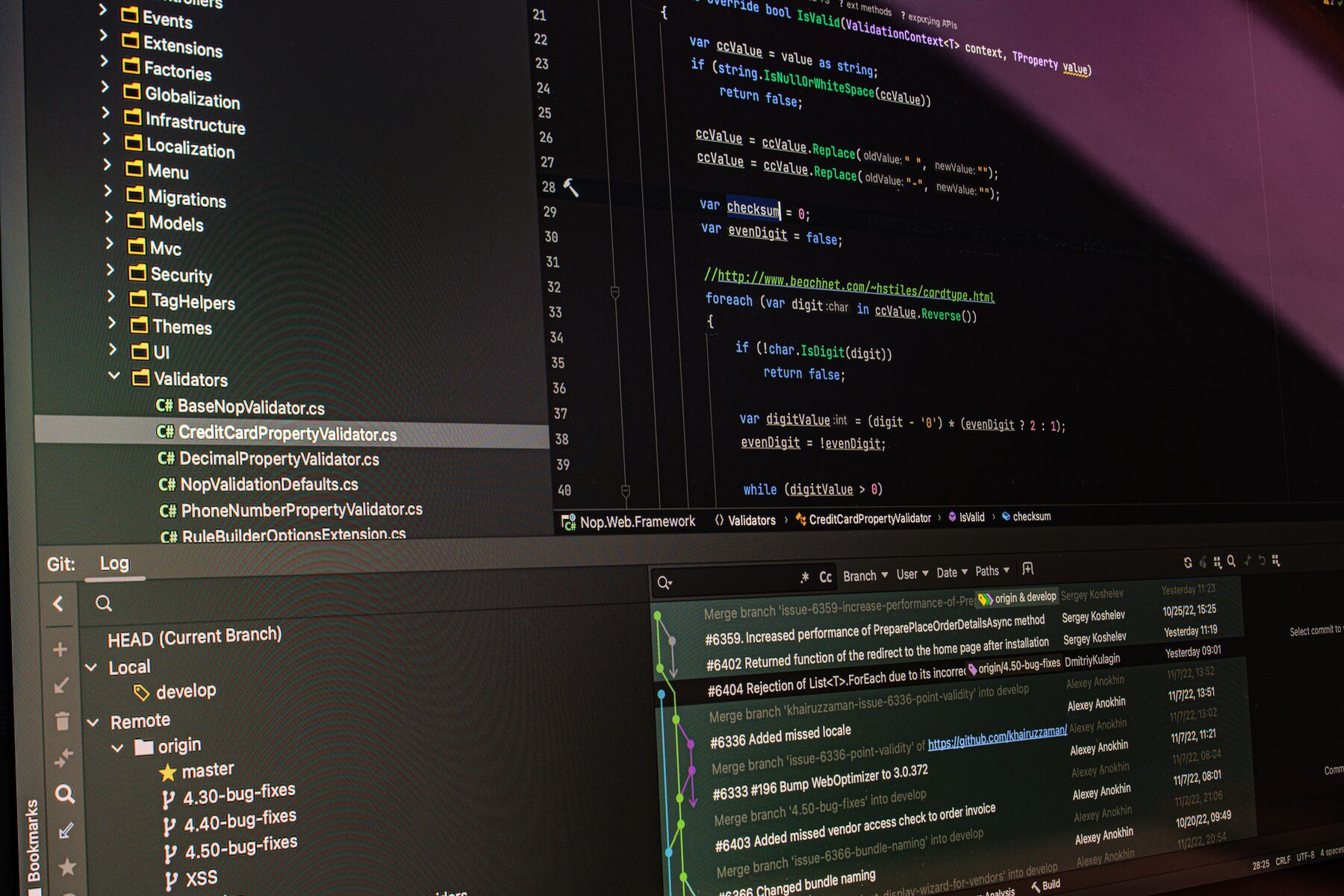
The technology behind a business system will outlive the excitement that surrounded it when it was chosen. That is the whole problem with picking a stack based on what is currently popular.
The questions that actually matter
A stack decision is really a decision about who will be able to maintain this system in five years and what it will cost to change it.
- Can another developer be hired who already knows this technology
- Does it connect cleanly to the systems the business already runs
- Is it actively maintained with a real security update record
- Does the hosting model fit the company's IT environment and budget
- Will ordinary changes require a specialist or a normal developer
Existing infrastructure is a real constraint
If a company already runs Microsoft identity, SQL Server, and Azure, introducing a second stack their IT group does not support adds permanent operational cost. That cost rarely appears in the original project estimate.
The reverse is also true. Forcing a Microsoft platform onto a company with no Microsoft footprint creates licensing and administration nobody asked for.
Boring technology is usually the right answer
Relational databases, standard web frameworks, and well-established runtimes are boring because they have been proven at scale for a long time. That is the point. The interesting part of a business system should be the business logic, not the infrastructure holding it up.
Newer tools are sometimes worth adopting, but the burden of proof should sit with the new option rather than the established one.
Match the technology to the job
There is no single correct stack. A data-heavy reporting project and a field mobile app have different requirements, and a good recommendation reflects that. We publish our reasoning for each technology we work with, including the cases where we would recommend something else.